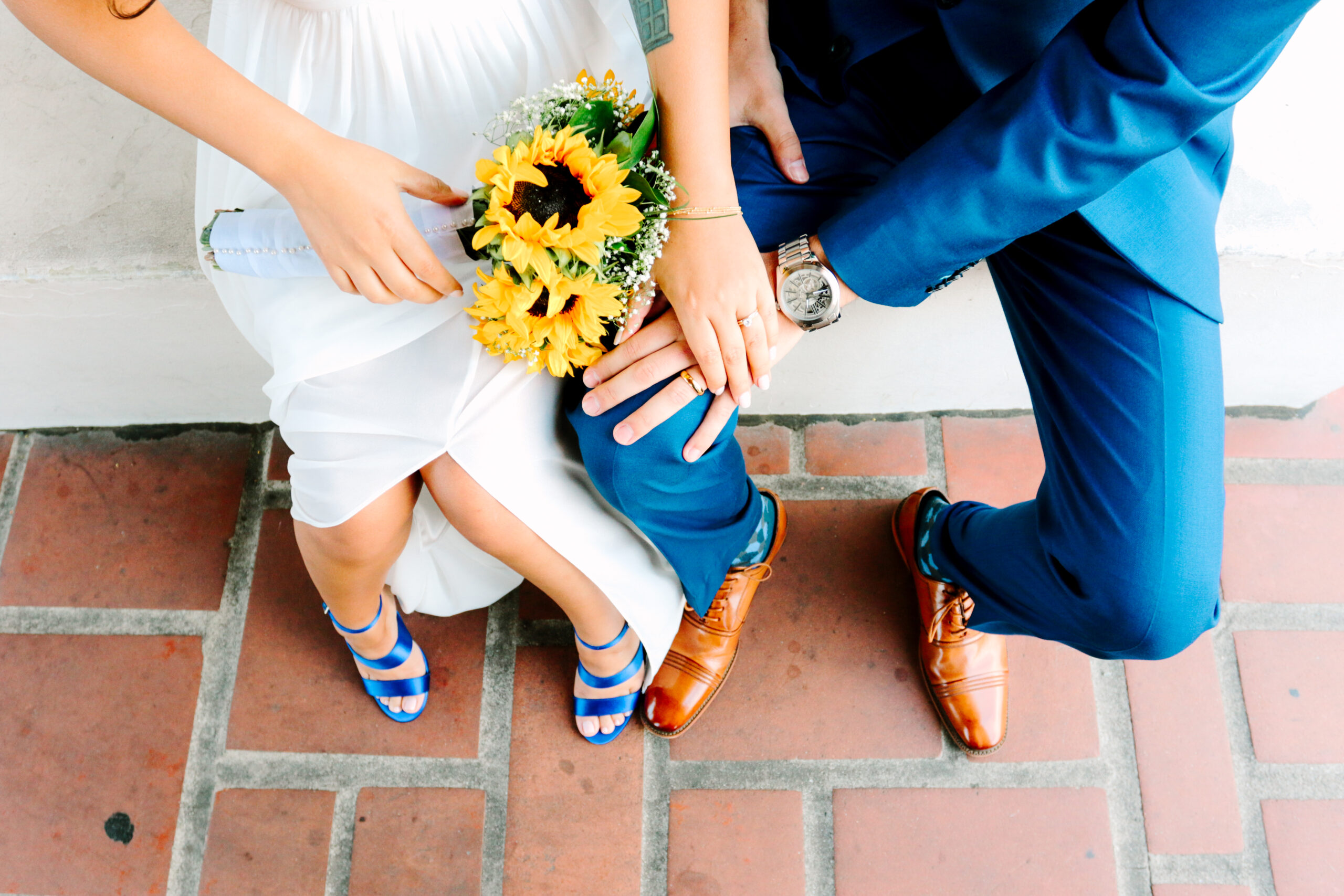

Transform Wedding Planning Anxiety into Confident Action
Planning your Wedding
Planning your wedding should be one of life’s most joyful experiences, but for many couples, it quickly becomes overwhelming. When you’re faced with endless vendor options, venue choices, and design decisions, it’s easy to get stuck in analysis paralysis. It’s that frustrating state where you overthink every choice until making any decision feels impossible.
If you’re planning your wedding or celebrating anywhere, you’re not alone in feeling this way. As a wedding photographer who’s worked with countless couples navigating these same challenges, I’ve seen firsthand how decision fatigue can steal the joy from your planning process. The good news? There are proven strategies to help you make confident decisions about your wedding while actually enjoying the journey.
Understanding Analysis Paralysis in Planning Your Wedding.
Analysis paralysis happens when you have too many options and spend so much time weighing every possibility that you become unable to move forward. In wedding planning, this might look like spending weeks comparing photographers without booking anyone, or endlessly scrolling through venue options without scheduling tours.
This mental block is incredibly common, especially for couples planning non-traditional celebrations or those who want their wedding to perfectly reflect their unique love story. When every detail feels crucial to getting your day “just right,” the pressure can become paralyzing.
The truth is, analysis paralysis often stems from perfectionism and the fear of making the “wrong” choice. But here’s what I’ve learned from photographing hundreds of weddings: there’s rarely one perfect decision. Instead, there are many good decisions that can all lead to a beautiful, meaningful celebration.
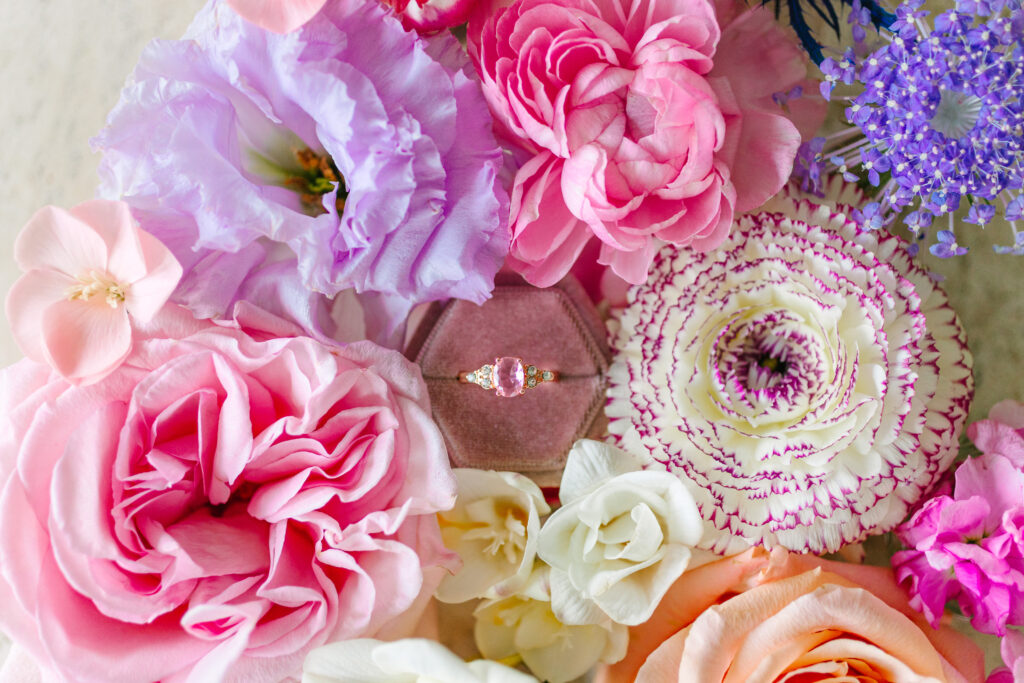
Identify Your True Wedding Priorities
The most effective way to break free from analysis paralysis is to get crystal clear on what matters most to you as a couple. Before diving into vendor research or Pinterest boards, sit down together and have an honest conversation about your priorities.
Start by each writing down your top five wedding must-haves independently, then compare lists. You might discover that one of you prioritizes amazing food while the other cares most about photography, or that you both agree that celebrating your LGBTQ+ identity authentically is non-negotiable.
Once you’ve identified your shared priorities, rank them in order of importance. This becomes your North Star for all future decisions. When you’re torn between two photographers, refer back to your priorities. If “feeling comfortable and celebrated for who we are” ranks higher than “staying within budget,” you’ll know which factor should guide your choice.
For couples planning colorful, non-traditional celebrations, your priorities might include finding vendors who embrace your vision, creating an inclusive environment for all your guests, or ensuring your personality shines through every detail. Whatever they are, having them clearly defined makes every subsequent decision easier.
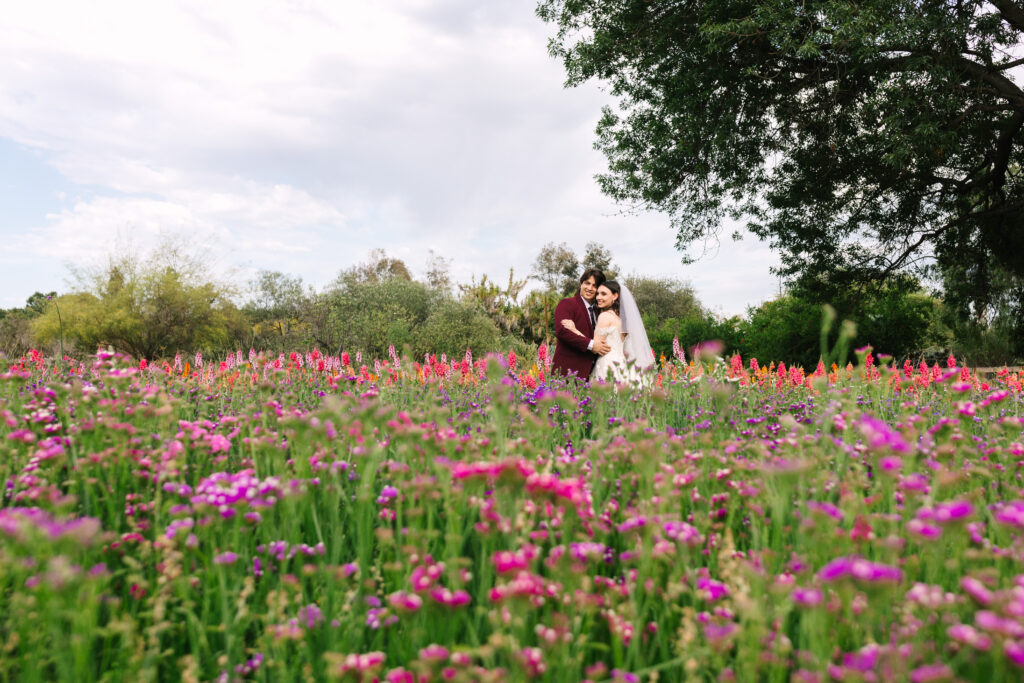
Set Clear Goals and Vision for Your Wedding
After identifying priorities, develop a clear vision for your overall wedding experience. This doesn’t mean planning every tiny detail upfront. It means establishing the feeling and atmosphere you want to create.
Maybe your vision is an intimate, vibrant celebration that feels more like a fun party with your closest friends than a formal ceremony. Or perhaps you want a nerdy, quirky wedding that incorporates your shared fandoms and interests. Whatever your vision, write it down in specific terms.
Your vision should answer questions like: How do we want our guests to feel? What kind of energy do we want on our wedding day? How do we want to look back on this celebration in 10 years? When you have clear answers to these questions, it becomes much easier to evaluate whether potential vendors, venues, or design choices align with your goals.
Limit Your Choices Strategically
One of the biggest contributors to analysis paralysis is having too many options. Instead of researching every possible vendor in Southern California, create a systematic approach to narrowing your choices.
Start by establishing your non-negotiables based on your priorities. If inclusive, LGBTQ+-friendly vendors are essential, begin your search with photographers and planners who explicitly celebrate diverse love stories. If vibrant, colorful photos are crucial, focus on photographers whose portfolios showcase that style.
For each vendor category, aim to research thoroughly but limit yourself to 3-5 serious contenders. This gives you enough options to make comparisons without becoming overwhelmed. Create a simple scoring system based on your priorities to help evaluate each option objectively.
When researching vendors for your Los Angeles wedding, look beyond just their work quality. Consider their communication style, their understanding of your vision, and how comfortable they make you feel. Sometimes the vendor who makes you feel most seen and celebrated isn’t necessarily the one with the most impressive portfolio.
Set Realistic Deadlines for Wedding Decisions
Creating deadlines for decisions helps combat the tendency to research and compare indefinitely. Work backward from your wedding date to establish when each major decision needs to be made, then stick to those timelines.
For example, you might decide that you need to book your photographer six months before your wedding, choose your venue eight months out, and finalize your caterer four months ahead. Having these deadlines creates healthy pressure to move forward rather than getting stuck in endless research mode.
Build buffer time into your schedule for unexpected delays or changes, but don’t let perfectionism derail your timeline. Remember, the goal isn’t to make perfect decisions. It’s to make good decisions that align with your priorities and allow you to move forward confidently.
Seek Input from Your Support Network
Don’t try to make every wedding decision in isolation. Your trusted friends and family can offer a valuable perspective, especially when you’re feeling stuck between options.
Choose your advisors wisely, seek input from people who understand and support your vision rather than those who might push their own preferences. If you’re planning a non-traditional celebration, lean on friends who celebrate your authenticity rather than relatives who might prefer a more conventional approach.
When asking for advice, be specific about what kind of input you need. Sometimes you want honest feedback about pros and cons, while other times you just need emotional support for a decision you’ve already made. Being clear about what you’re seeking helps ensure you get helpful rather than confusing advice.
Embrace Imperfection and Flexibility
One of the biggest barriers to decision-making is the belief that every choice must be perfect. In reality, most wedding decisions have multiple “right” answers, and minor imperfections often add character to your celebration.
Instead of seeking perfection, aim for decisions that feel authentic to you as a couple. A photographer who captures genuine, candid moments but whose editing style is slightly different than your Pinterest board might still be the perfect choice if they make you feel comfortable and understood.
Build flexibility into your planning process. Vendors might become unavailable, the weather might affect outdoor plans, or your vision might evolve as you plan. Couples who remain adaptable tend to enjoy their planning process more and feel less stressed when unexpected changes arise.
Trust Your Instincts About Wedding Vendors
After doing your research and weighing the practical considerations, don’t underestimate the power of intuition. Pay attention to how you feel during vendor meetings and consultations while planning your wedding.
Do you leave conversations feeling excited and confident, or anxious and uncertain? Does the vendor seem to truly understand your vision, or are they trying to fit you into their standard template? These gut feelings often provide valuable information that spreadsheets and comparison charts can’t capture.
For couples seeking vendors who understand and celebrate LGBTQ+ identities, this intuitive assessment is particularly important. You want to work with professionals who don’t just tolerate your identity but actively celebrate it and create space for you to be authentically yourselves.
Create a Step-by-Step Decision Process
When facing a complex decision, break it down into manageable steps rather than trying to solve everything at once. For example, when choosing a photographer, you might:
- Review portfolios to assess style alignment
- Check availability for your date
- Compare pricing and packages
- Schedule consultations with top candidates
- Make your final decision within one week of consultations
This systematic approach prevents you from jumping around between different aspects of the decision and helps ensure you’re evaluating all candidates fairly.
Celebrate Your Wedding Planning Wins
As you make decisions about your wedding, take time to celebrate each milestone. Booking your dream venue, finding a photographer who gets your vision, or finalizing a menu that excites you are all significant accomplishments worth acknowledging.
Celebrating your decisions helps reinforce your confidence in the choices you’ve made and builds positive momentum for future planning tasks. It also helps you remember that wedding planning should be enjoyable, not just stressful.
Consider creating a visual reminder of your progress, like a planning checklist or mood board that you can update as you make decisions. Seeing how much you’ve already accomplished can provide motivation when you hit challenging decision points.
Moving Forward with Confidence
Remember that your wedding day is ultimately about celebrating your love story and commitment to each other. While details matter and contribute to creating a meaningful experience, they’re not more important than the joy and connection you share.
The most beautiful weddings I’ve photographed aren’t necessarily the ones with perfect details – they’re the ones where couples felt authentically themselves and were surrounded by people who celebrated their love. When you make decisions from this perspective, analysis paralysis loses much of its power.
Every couple faces moments of uncertainty and overwhelm during wedding planning. The key is developing strategies to work through these challenges while staying connected to what truly matters: creating a celebration that feels authentically you.
Your wedding planning journey should be filled with excitement, creativity, and joy. By implementing these strategies for overcoming analysis paralysis, you can make confident decisions about your wedding while actually enjoying the process of bringing your vision to life.
If you like the images you’ve seen here and want to check out my portfolio, click this link.


